services-fusion-builder.txt
Drain Repair in Charlotte, NC
Recurring clogs, leaks, odors, and slow drainage are not always caused by something that needs to be cleaned out. Sometimes the drain pipe itself is cracked, corroded, poorly connected, improperly installed, or deteriorated enough that cleaning will not correct the underlying problem.
Pathmaker Plumbing provides drain repair in Charlotte, NC for damaged residential drain lines, including localized sections of piping inside, beneath, or immediately around the home. We diagnose what is actually failing and explain whether a focused repair or a larger replacement makes sense.
If the blockage is the problem, clean the drain. If the pipe is the problem, repair the pipe.
What Is The Drain Line Telling You?
The pattern of the problem often helps separate an ordinary clog from a drain line that may be damaged or deteriorating.
The Same Drain Keeps Backing Up
If a drain repeatedly clogs after being cleared, the line may have corrosion, a damaged fitting, poor slope, a settled section, or another condition that continues to catch debris.
Water Is Leaking From The Drain Line
Moisture below a sink, beneath a floor, in a crawl space, or around exposed drain piping can point to a cracked pipe, failed joint, loose connection, or deteriorated section.
Older Pipe Keeps Causing Problems
Older cast iron and other aging materials can develop rough internal surfaces, corrosion, cracks, and deterioration that make recurring drainage problems more likely.

When Drain Cleaning Stops Being The Solution
Drain cleaning is designed to remove material that is restricting flow. It cannot repair a cracked pipe, restore a failed joint, correct a poor transition, or reverse structural deterioration.
A line can temporarily flow better after cleaning and still have an underlying defect that causes the problem to return.
Before recommending a larger repair, we want evidence that the condition of the pipe is actually contributing to the problem.
Common Drain Line Problems We Repair
Drain repair is about correcting the condition of the piping, not simply clearing material from inside it.
Cracked Or Leaking Drain Pipe
Cracks and failed drain sections can allow wastewater to escape into cabinets, walls, floors, crawl spaces, or other areas around the home.
Corroded Cast Iron
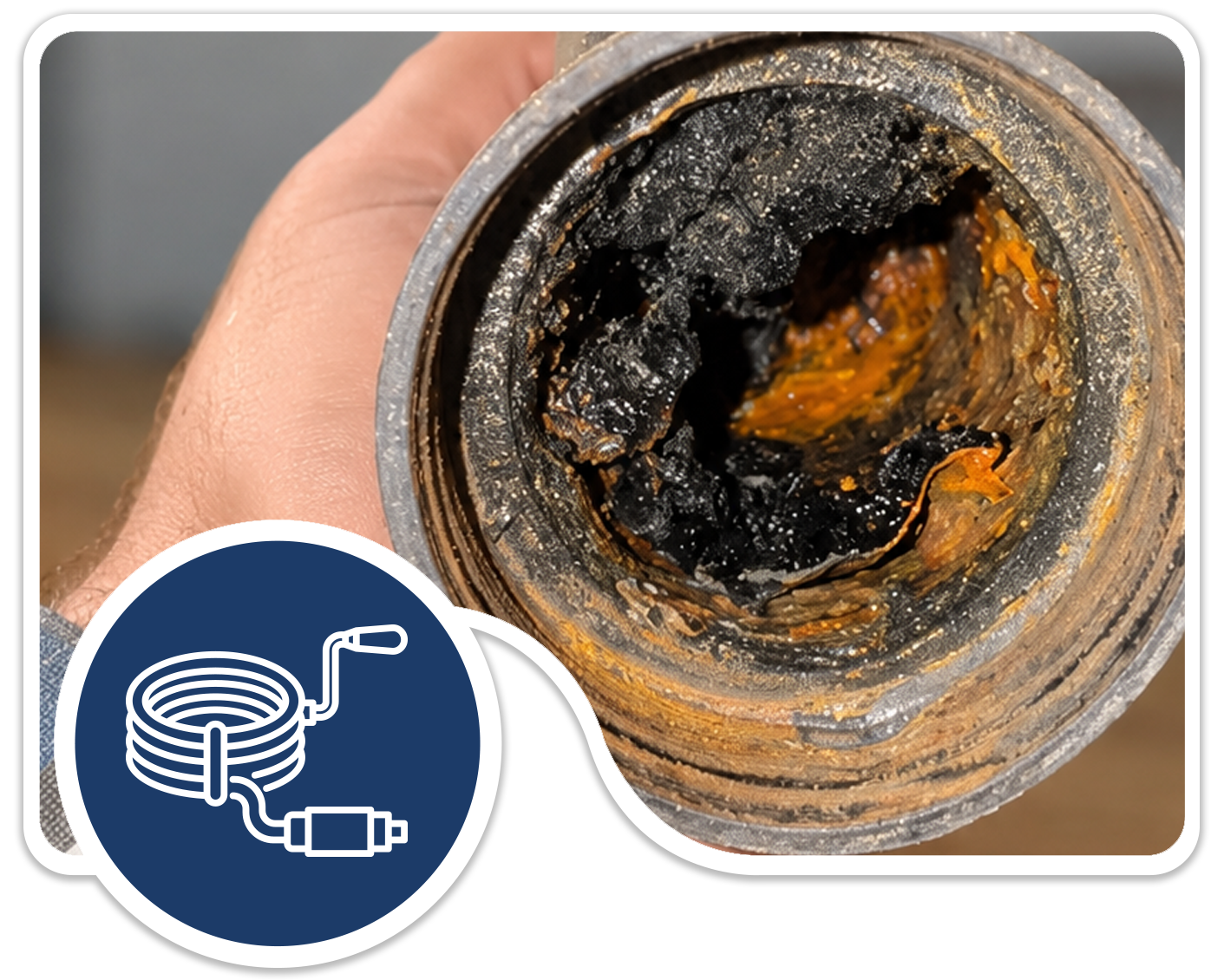
Cast iron can develop internal scaling, corrosion, thinning, cracking, and rough surfaces that contribute to leaks and repeated restrictions.
Failed Joints & Connections
Loose, separated, deteriorated, or poorly installed connections can leak, catch debris, or interrupt proper drainage.
Poor Transitions Between Materials
Older homes and remodeled plumbing can contain transitions between cast iron, PVC, ABS, copper, or other materials. A poor connection can become a recurring trouble spot.
Improper Slope Or Settled Sections
A drain line that does not maintain proper fall can hold water and debris instead of moving waste consistently through the system.
How We Diagnose A Drain Line Before Repairing It
We start with the symptom and the history of the problem. Where the issue occurs, whether it returns after cleaning, the age and material of the piping, and any visible signs of leakage or deterioration all help narrow the cause.
When appropriate, diagnosis may include:
- Visual inspection of accessible drain piping and fittings
- Evaluation of previous repairs and material transitions
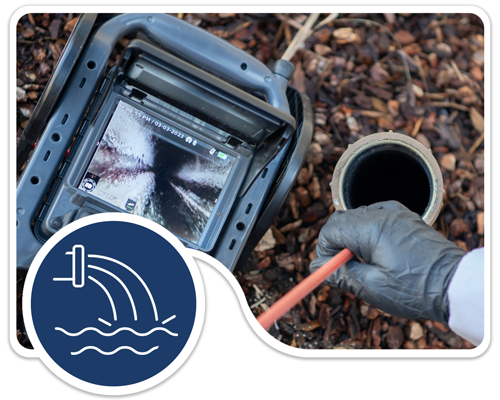
- Drain or sewer camera inspection when the condition cannot be confirmed from the outside
- Checking for corrosion, cracking, separation, poor slope, or recurring obstruction points
- Determining whether the problem is localized or part of a larger sewer-line issue
We want to identify the damaged section before deciding how much pipe actually needs to be repaired.
Drain Repair Or Sewer Line Repair?
The location of the damaged pipe matters.
Drain repair generally addresses localized or branch drain piping serving fixtures and areas of the home.
Sewer line repair addresses the main underground line carrying wastewater away from the house.
If the problem extends into the main sewer line, we will explain that distinction before recommending the next step.
Focused Drain Repair Or A Larger Replacement?
A damaged drain line does not automatically mean every connected section needs to be replaced.
When A Focused Repair May Be Enough
- An isolated crack or failed fitting
- A leaking connection in an accessible section
- A short deteriorated section surrounded by sound piping
- A poor transition that can be corrected locally
- A previous repair that was installed incorrectly
When Broader Replacement May Make More Sense
- Deterioration extends through a longer section of pipe
- Multiple failures are occurring in the same material
- Corrosion or cracking is widespread
- Previous patch repairs are no longer solving the problem
- The existing layout or slope continues to create drainage issues
We explain what appears to be failing, what can reasonably be repaired, and when replacing a larger section may provide better long-term value.
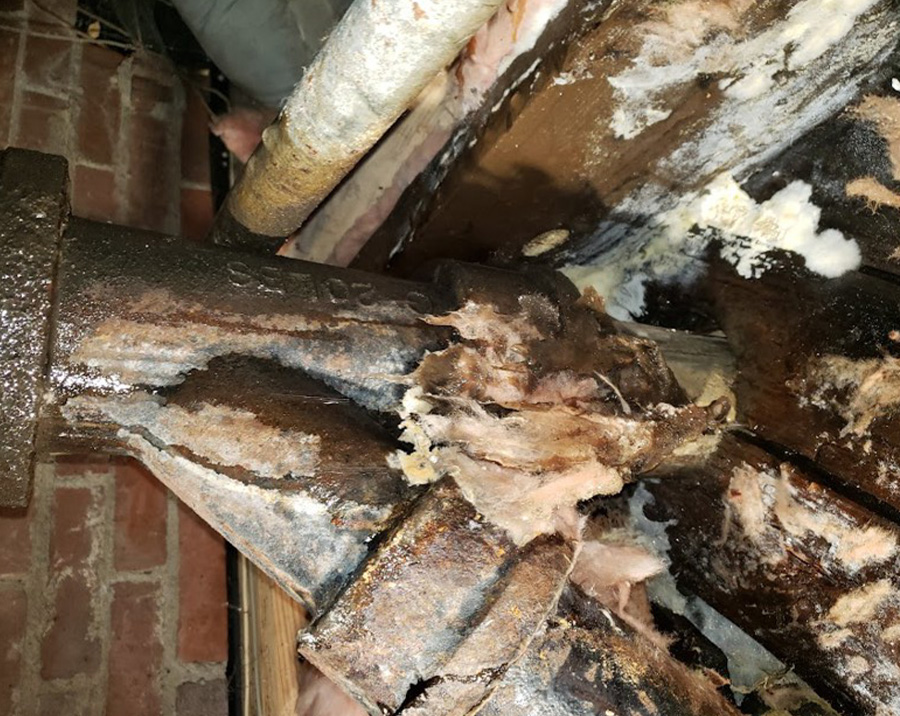
Older Cast Iron Deserves A Closer Look
Older cast-iron drain piping can continue working for years, but age and corrosion can change the condition of the pipe from the inside out.
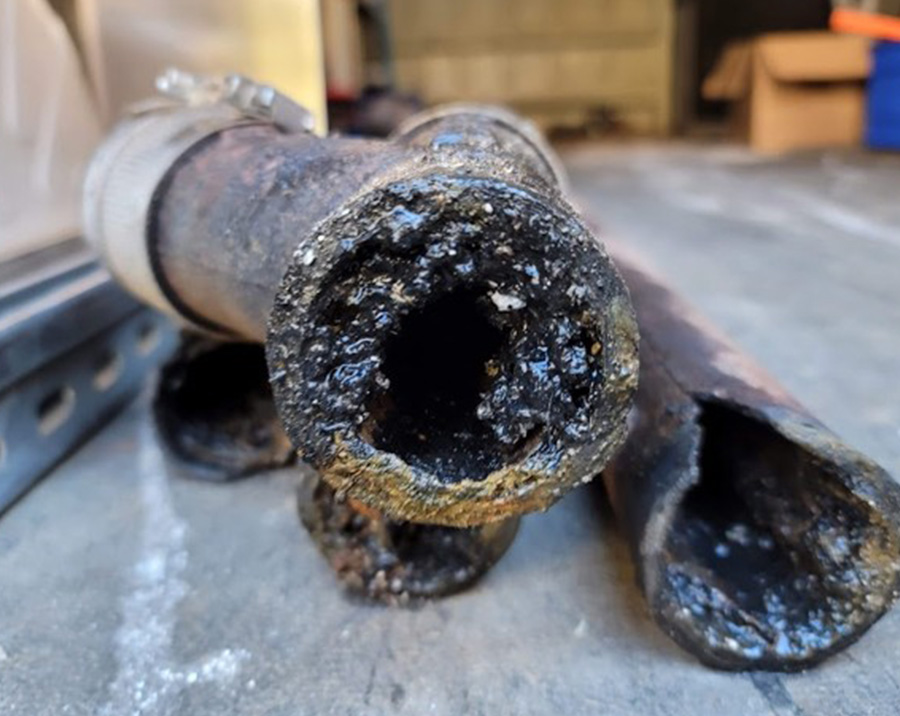
Rough internal surfaces can hold debris. Corrosion can reduce usable diameter. Cracks, thinning, or deteriorated sections can eventually create leaks or repeated drainage problems.
Age alone is not a reason to replace cast iron. The actual condition and history of the line should drive the recommendation.
Why Charlotte Homeowners Call Pathmaker For Drain Repair
Diagnosis Before Demolition
We want to understand where the problem is and what is actually failing before recommending that floors, walls, cabinets, or other areas be opened.
Repair What Can Be Repaired
If a focused repair is reasonable, we explain it. A localized problem should not automatically become a whole-system replacement.
Clear Options
When a larger section is deteriorated, we explain why broader replacement may provide better long-term value and what the tradeoffs are.
More Than 25 Years Of Plumbing Experience
Older materials, remodels, previous repairs, and mixed plumbing systems can make drain problems less straightforward. Experience helps separate the symptom from the actual failure.
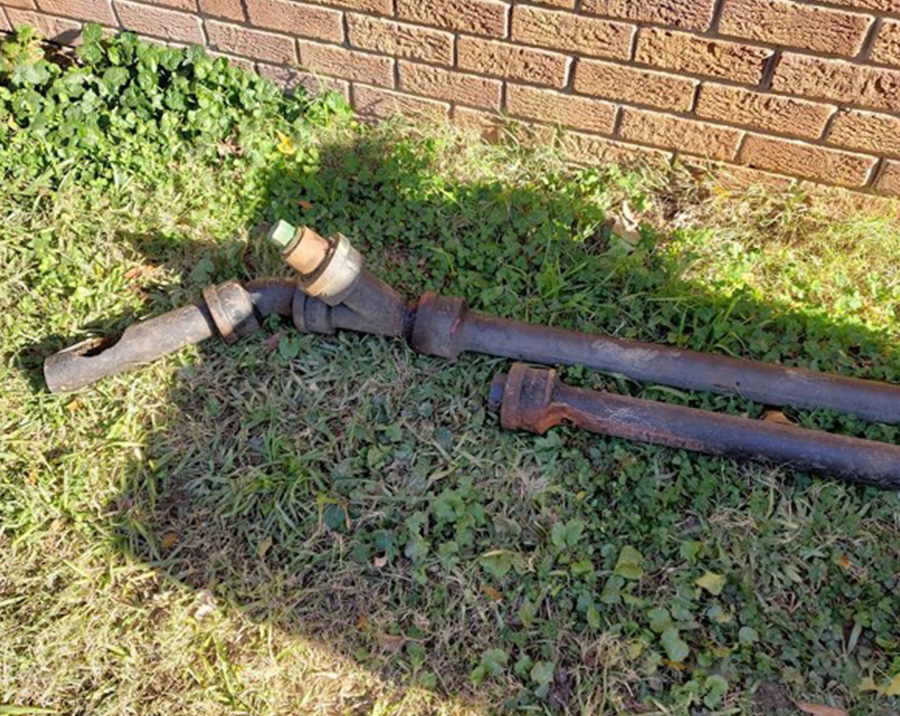
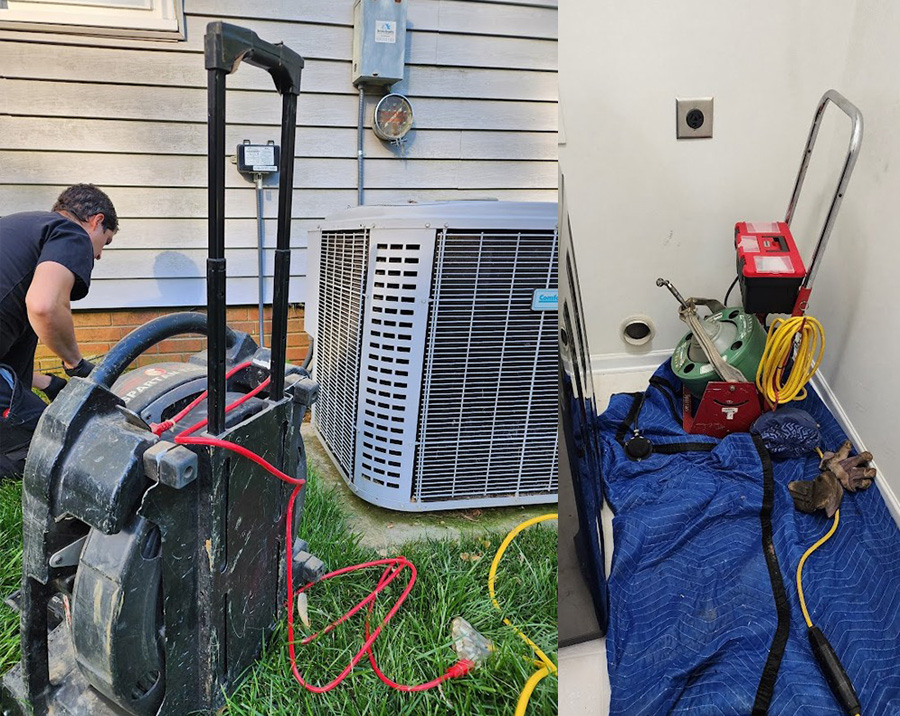
Drain Pipe Problems & Repairs
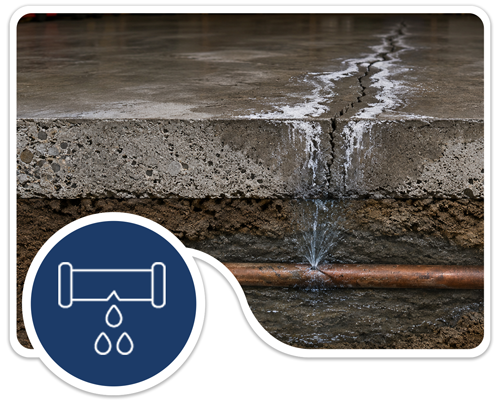
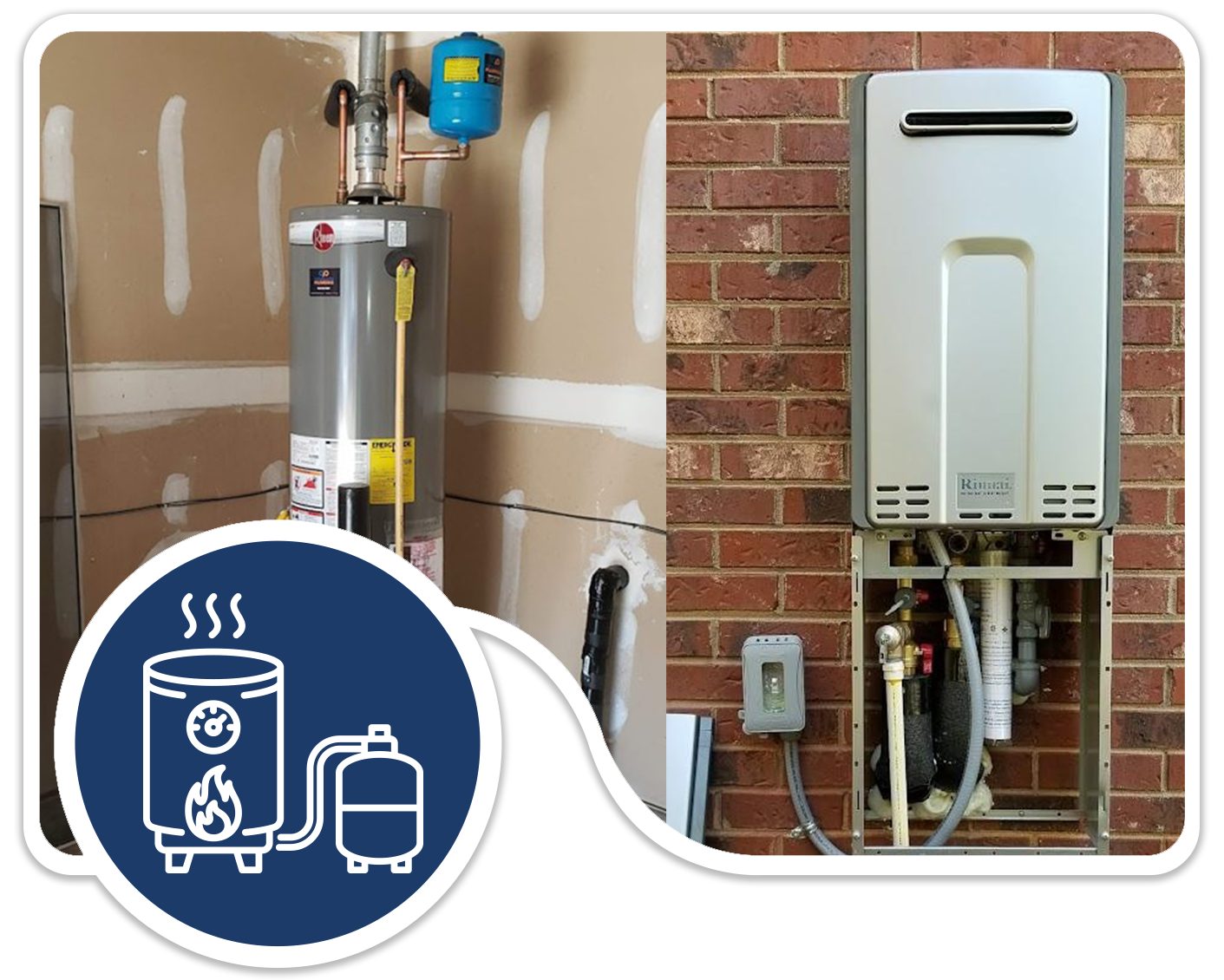
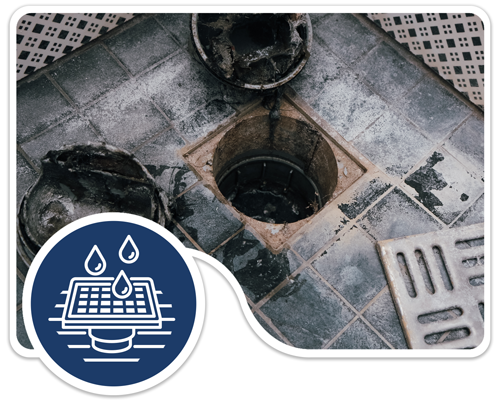
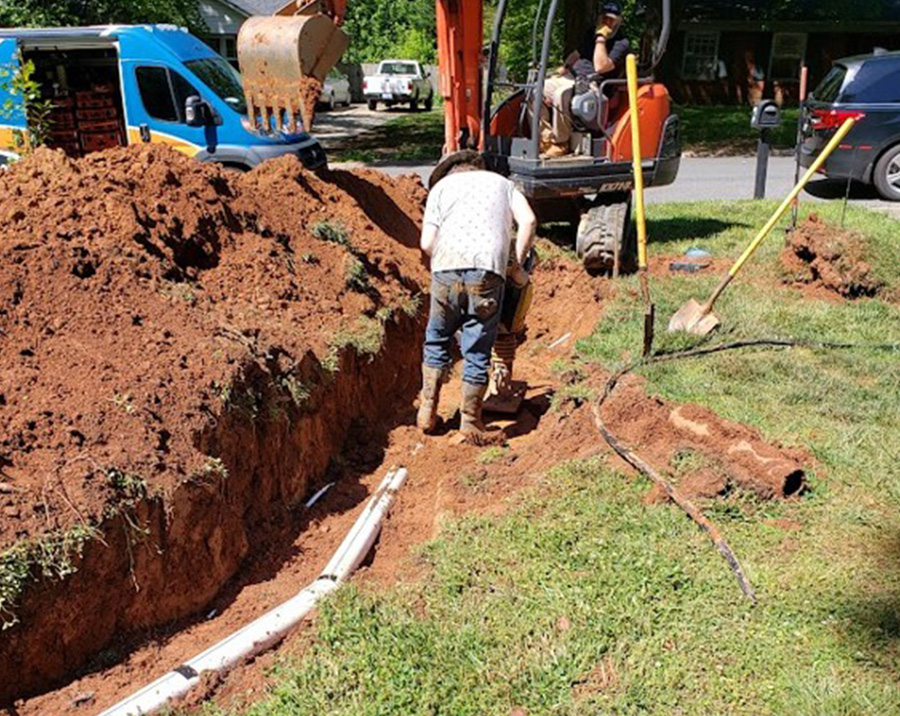
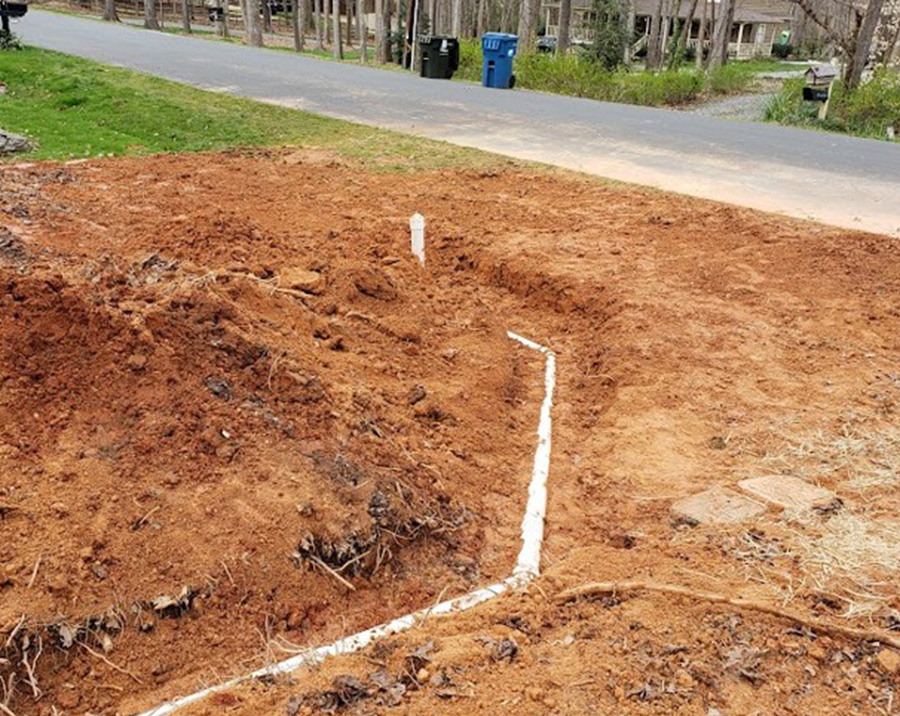
Examples of drain and sewer piping conditions. These images can be swapped for drain-repair-specific project photos as they are available.
Drain Repair FAQs
Common questions about damaged drain lines, recurring clogs, cast iron, leaks, and deciding whether cleaning or repair is the right next step.