
Pressure Reducing Valves: Location Matters
Here’s something most homeowners never think about. Many municipal water systems operate at pressures well over 120 PSI. That’s far more pressure than most residential plumbing should continuously experience. Code sets the maximum limit at 80psi. That’s why many homes require a pressure reducing valve (PRV) and their necessary sidekick, the thermal expansion tank. Where that valve is installed matters.
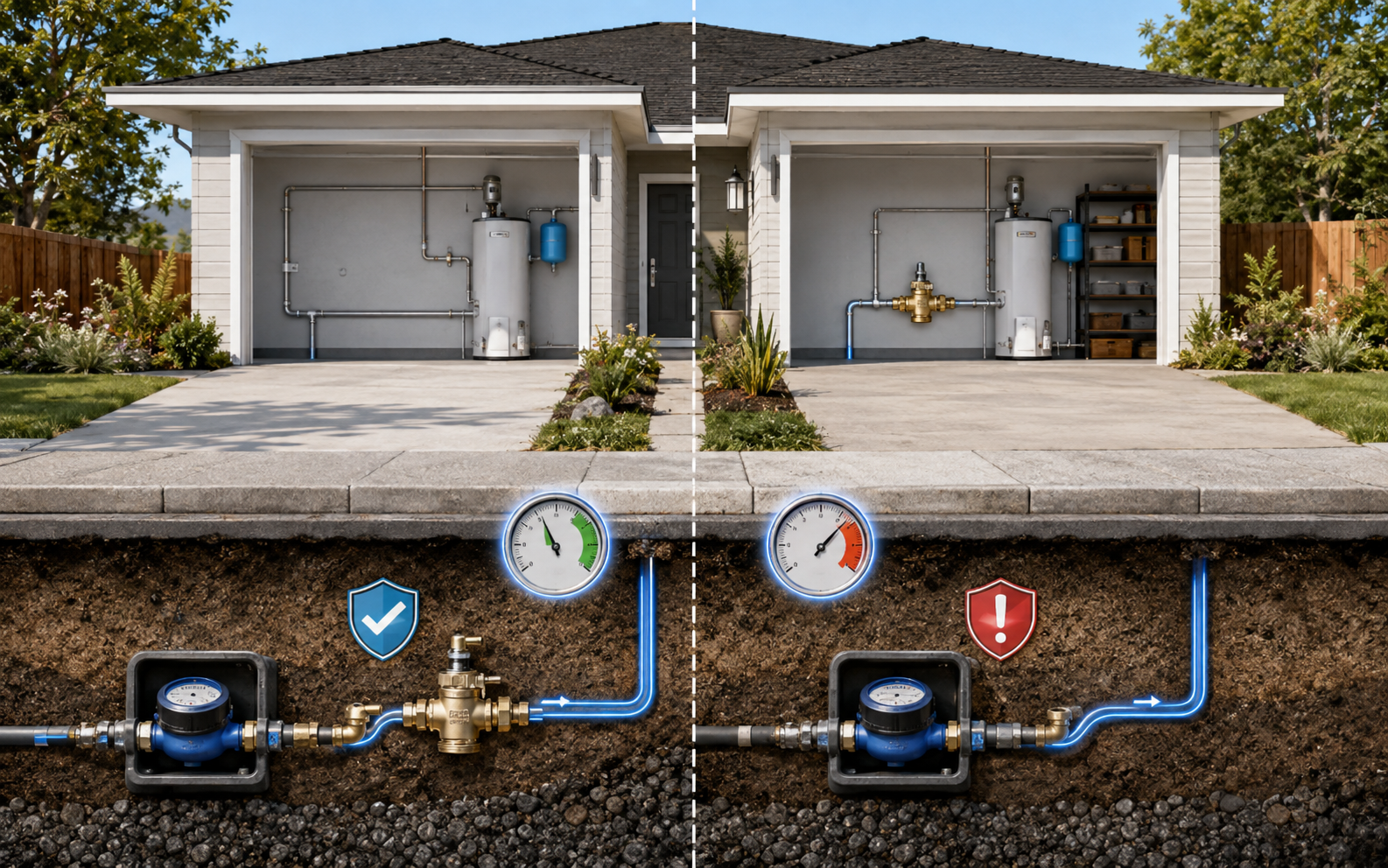
The best location is immediately downstream of the water meter, before the water line enters the home. This pipe, from the meter to the home is called the Water Service. Once it enters the building (within 5 feet) its name changes to the Water Distribution System. Unfortunately, many builders install the PRV inside the garage because it’s easier and less expensive during construction. And for some reason, this is allowed by inspectors. That shortcut creates several problems. Every foot of pipe between the meter and the garage is left exposed to full city water pressure. If your municipal pressure is 120 PSI, that underground water service remains at 120 PSI twenty-four hours a day.
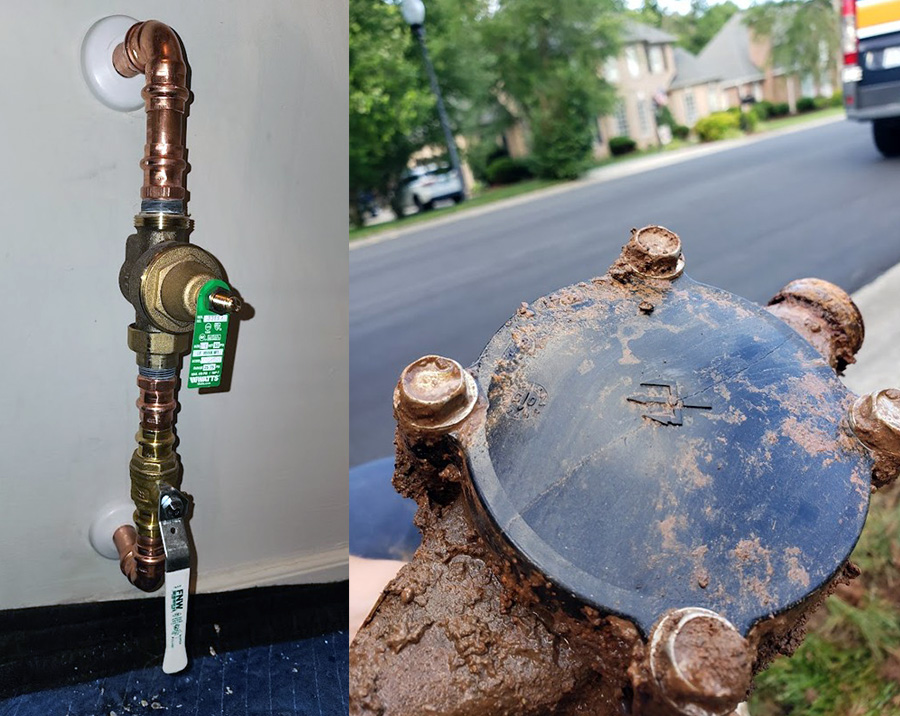
Above, PRV Installed: Inside Your Home, Well Beyond The Water Source.
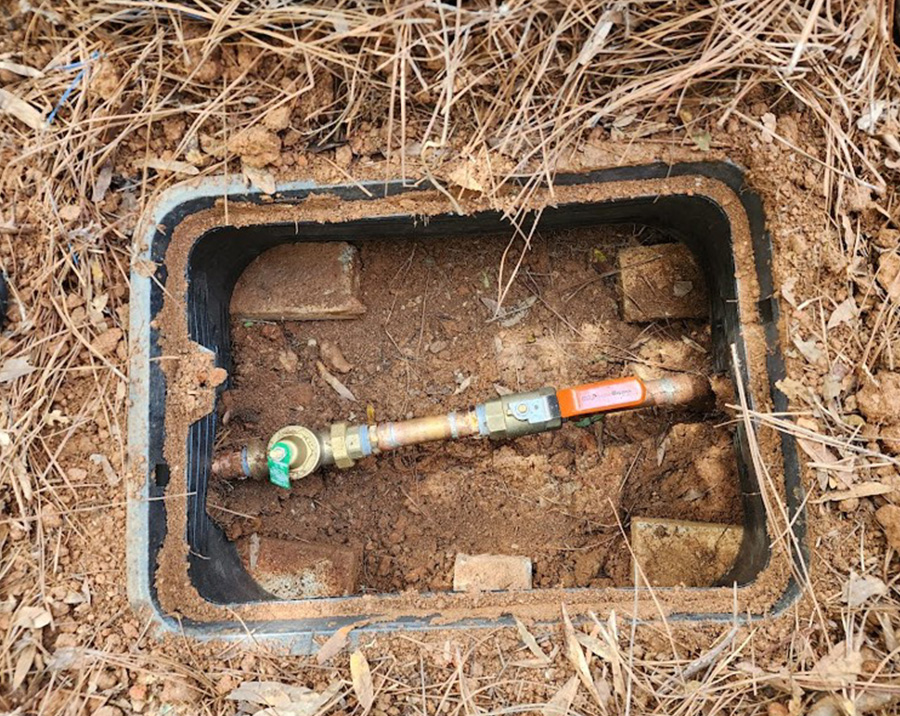
Above, PRV Installed: At the Water Source, Outside Your Home.
The PRV (and thermal expansion tank) protects only the plumbing after it. The buried service line—the part that’s hardest and most expensive to repair—receives no protection at all. Over years of thermal expansion, pressure fluctuations, and normal material fatigue, that extra stress will absolutely shorten the life of the underground service line. When it eventually develops a leak beneath landscaping, driveways, sidewalks, or other hard surfaces, repairs become significantly more disruptive and expensive than if the entire system had been pressure-protected from the meter onward. Pathmaker Plumbing recommends putting the protection at the beginning of the liability.
Installing the PRV at the meter protects the whole house. Installing it in the garage protects only part of it. Builders compete aggressively on price. That means many decisions are made with one goal: keeping construction costs down while meeting code. Building code establishes the bare minimum acceptable standard. Those four words are actually stated in the beginning of the plumbing code book. Bare, minimum, acceptable, standards. That’s what “up to code” means. It is not a promise of maximum durability. It means it just barely passes.

More Posts You May Find Interesting
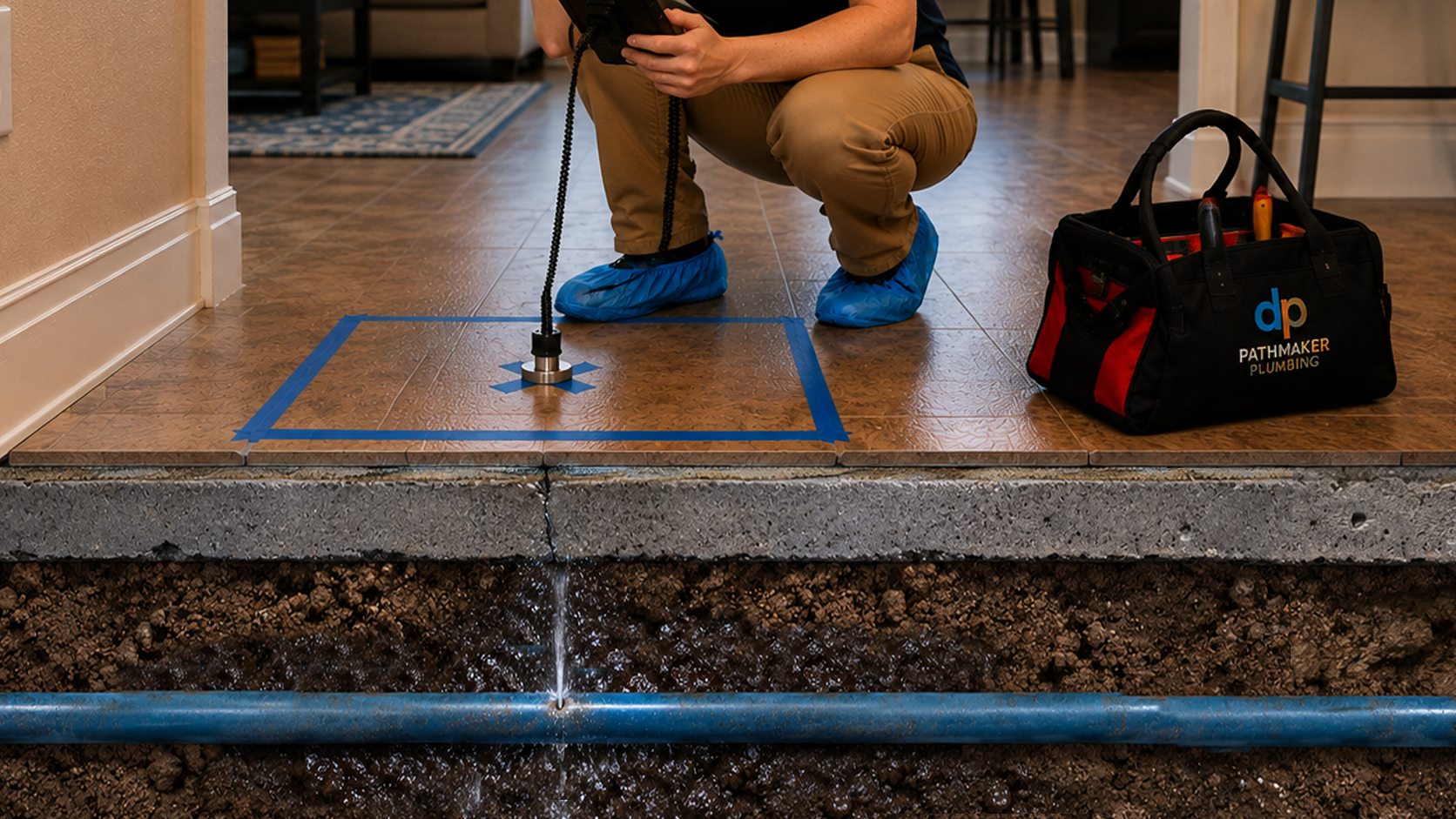
A $400 Water Bill Led to a Hidden Slab Leak in a Charlotte Home
A $400 Water Bill Led to a Hidden Slab Leak
The Hidden Cost of Builder-Grade Plumbing
Cheap Fixtures are Expensive When people buy a
Pressure Reducing Valves: Location Matters
Pressure Reducing Valves: Location Matters Here's something most
How to Find a Good Local Plumber
How to Find a Good Local Plumber Finding a
CASE STUDY: Backwater Valve Maintenance
CASE STUDY: Backwater Valve Maintenance | How One Charlotte

CASE STUDY: When YouTube Can’t Diagnose
CASE STUDY: When YouTube Can't Diagnose | How One Charlotte

The Perfect Bathroom
The Main Components of a Home Plumbing System