
Cheap Fixtures are Expensive
When people buy a home, they notice countertops, flooring, paint colors, and fancy appliances.
What they almost never notice is the plumbing hidden behind the walls and beneath the slab, and that’s the part of the house most capable of causing a five-figure repair bill.
As a plumber, I see the same story play out over and over again. Builders save tens of thousands of dollars during construction by using lower-grade valves, fixtures, fittings, and installation practices. The homeowner gets to spend the next decade or two paying for these “cost saving measures.”
Common Examples.
- Each faucet and toilet has a shutoff valve. Their entire purpose is simple: when something leaks, or they need to be maintained, you turn off the water to the fixture, not the whole house.
- Unfortunately, many production homes are equipped with inexpensive multi-turn stop valves made with plastic stems, rubber washers, or light-duty internal parts. Or worse, integrated plastic push/pull stops.
- These valves often go untouched for years, until the day you need them. You go to turn the handle, or pull the stop, and it won’t close. Or it starts leaking around the stem, or the handle breaks off in your hand.
- Now what should have been a simple faucet replacement suddenly requires shutting off water to the entire house. If the main valve also fails—which isn’t uncommon—you may need the utility company or a plumber before the original repair can even begin.
- A quality quarter-turn brass valve costs more upfront, but it can save hundreds of dollars in emergency labor and a tremendous amount of frustration years later. Additionally, they ensure no debris from a disintegrating rubber washer gets moved to the internals of the faucet or toilet above it, causing flow restrictions or leaks.
- Not all plumbing fixtures are created equal. Lower-cost faucets often use thinner castings, cheaper cartridges, lower-quality seals, and finishes that deteriorate much faster than premium products. They are mostly plastic and rubber.
- As a result, handles become loose, cartridges fail, or the finish peels off. Parts often become unavailable as soon as the cheap faucet stops “trending” and the entire faucet gets replaced instead of repaired.
- Buying the least expensive fixture, like the ones found at the Big Box stores frequently means paying for installation twice. A better fixture may cost a little more today but often lasts decades with nothing more than an occasional cartridge replacement.
What Is Your Faucet Telling You?
The way a faucet leaks, flows, or moves can help narrow down whether the problem is inside the fixture, at the supply connection, around the sink, or somewhere else in the plumbing.
Dripping After You Turn It Off
A faucet that keeps dripping may have a worn cartridge, valve, seal, or another internal component that is no longer closing completely.
Low Or Uneven Water Flow
Reduced flow at one fixture can come from the faucet, aerator, cartridge, supply connection, or another localized restriction. The pattern matters before assuming there is a larger pressure problem.
Water Around Or Under The Sink
Moisture beneath a sink may come from the faucet body, supply lines, shut-off valves, drain assembly, disposal connection, or another nearby source. Finding where the water begins is more important than where it finally appears.

More Posts You May Find Interesting
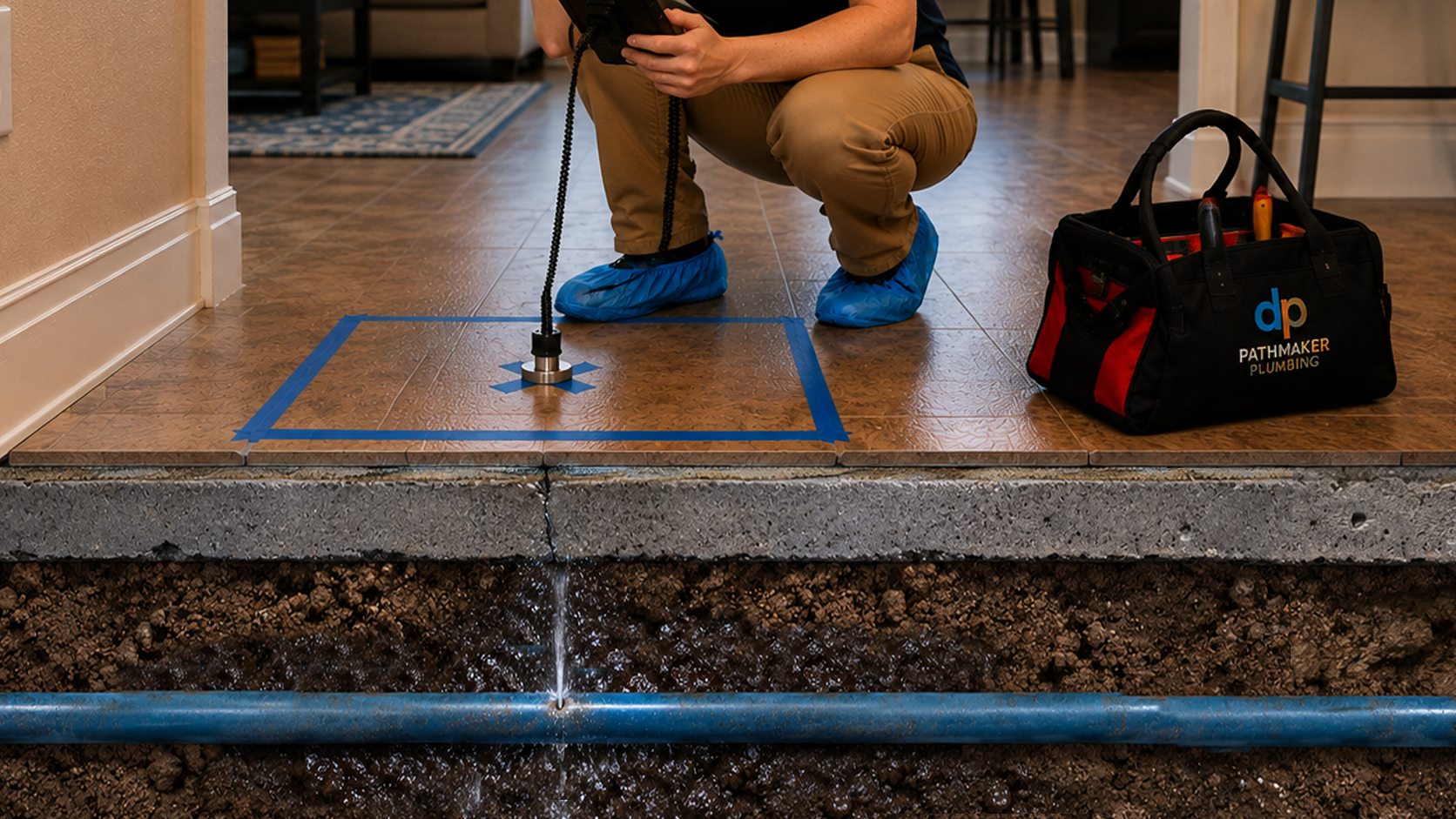
A $400 Water Bill Led to a Hidden Slab Leak in a Charlotte Home
A $400 Water Bill Led to a Hidden Slab Leak
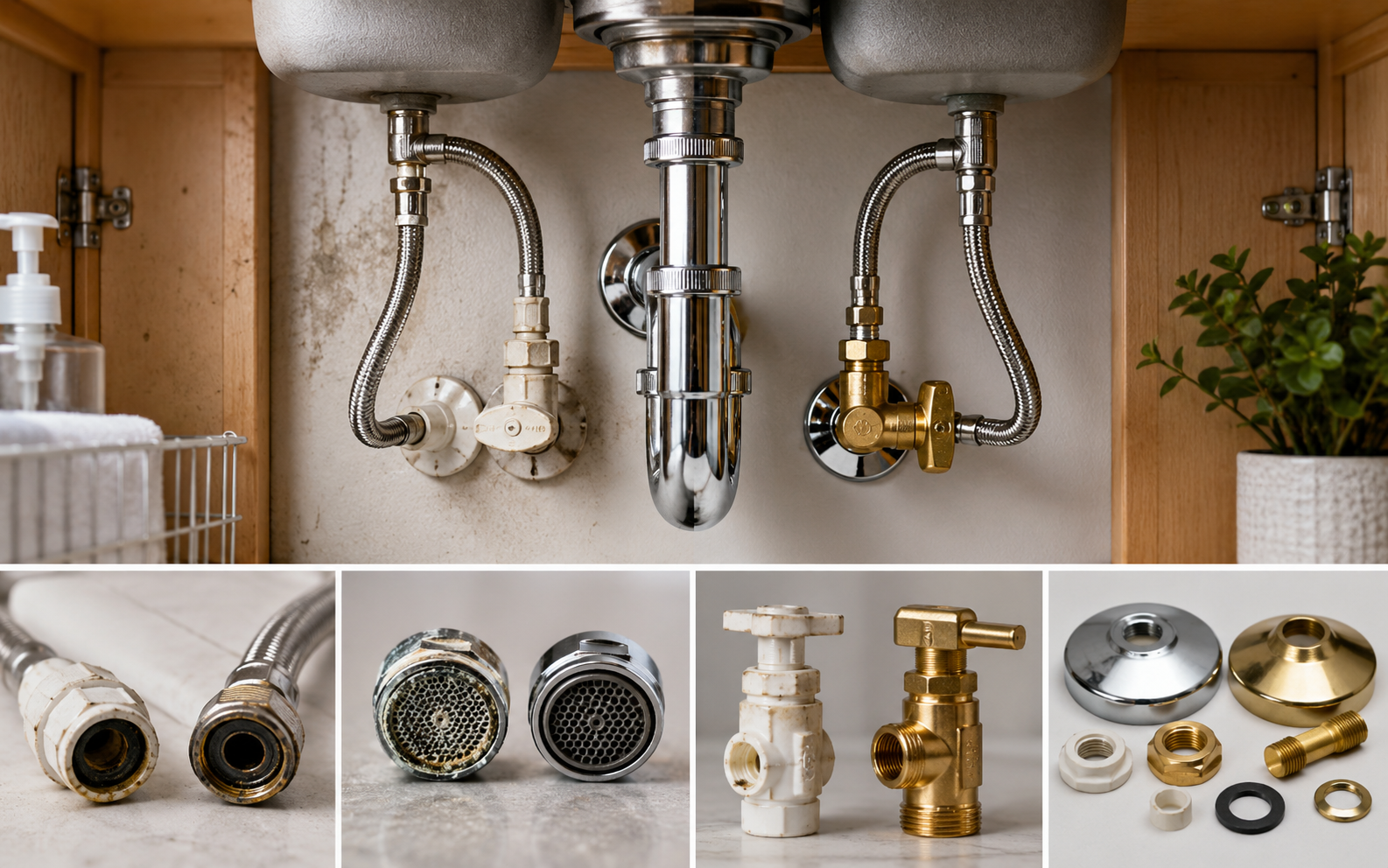
The Hidden Cost of Builder-Grade Plumbing
Cheap Fixtures are Expensive When people buy a
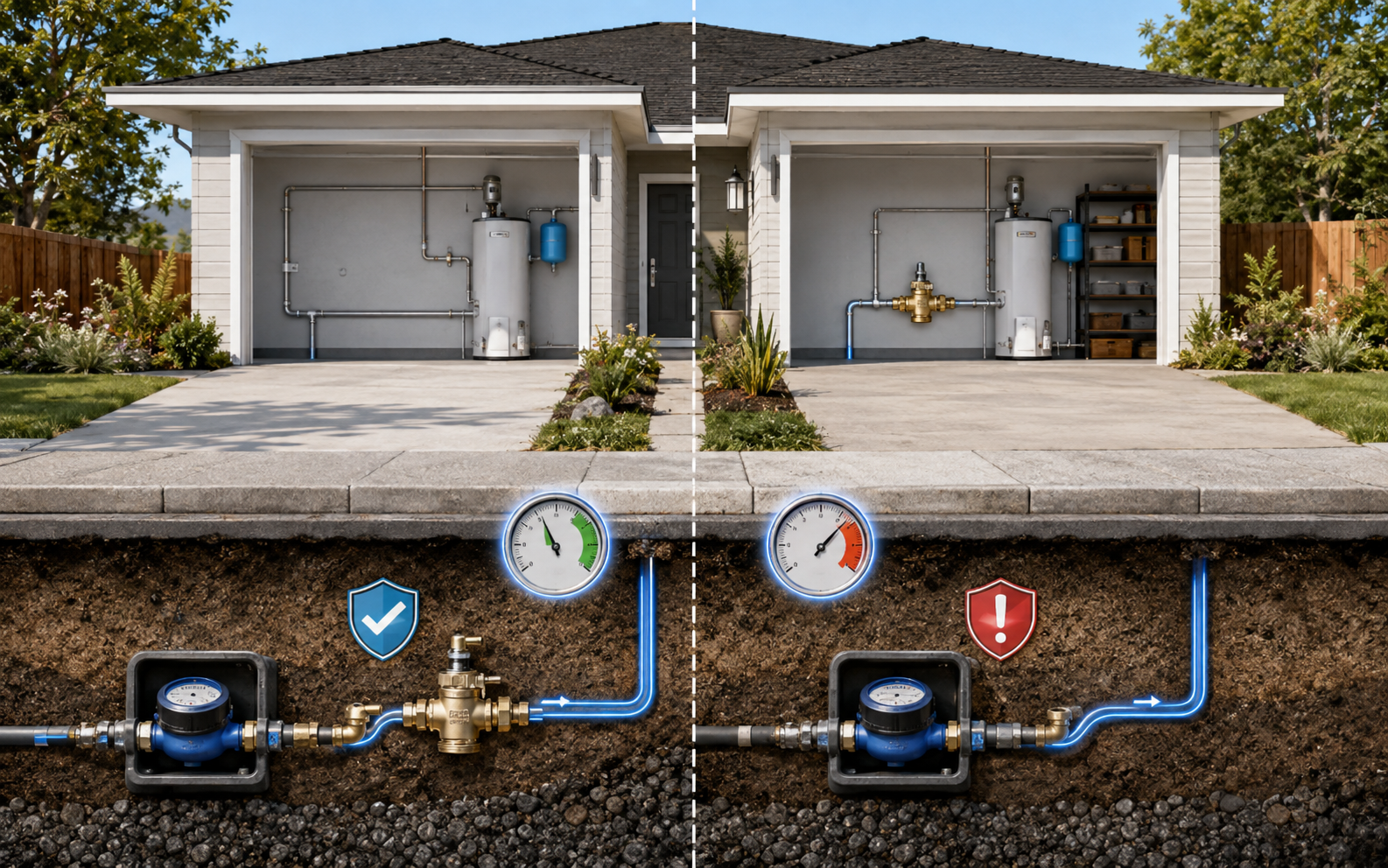
Pressure Reducing Valves: Location Matters
Pressure Reducing Valves: Location Matters Here's something most
How to Find a Good Local Plumber
How to Find a Good Local Plumber Finding a
CASE STUDY: Backwater Valve Maintenance
CASE STUDY: Backwater Valve Maintenance | How One Charlotte

CASE STUDY: When YouTube Can’t Diagnose
CASE STUDY: When YouTube Can't Diagnose | How One Charlotte

The Perfect Bathroom
The Main Components of a Home Plumbing System