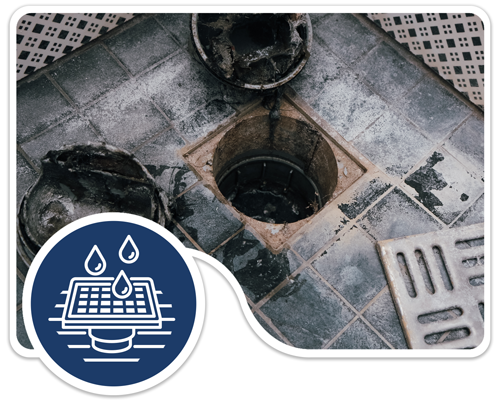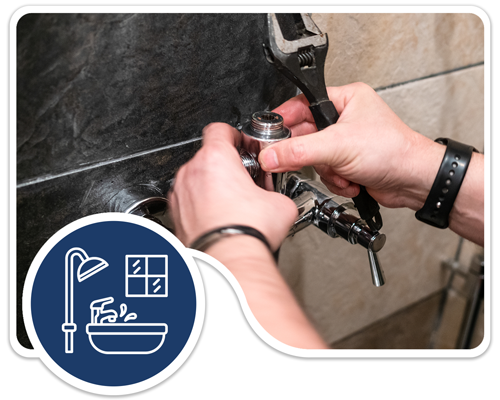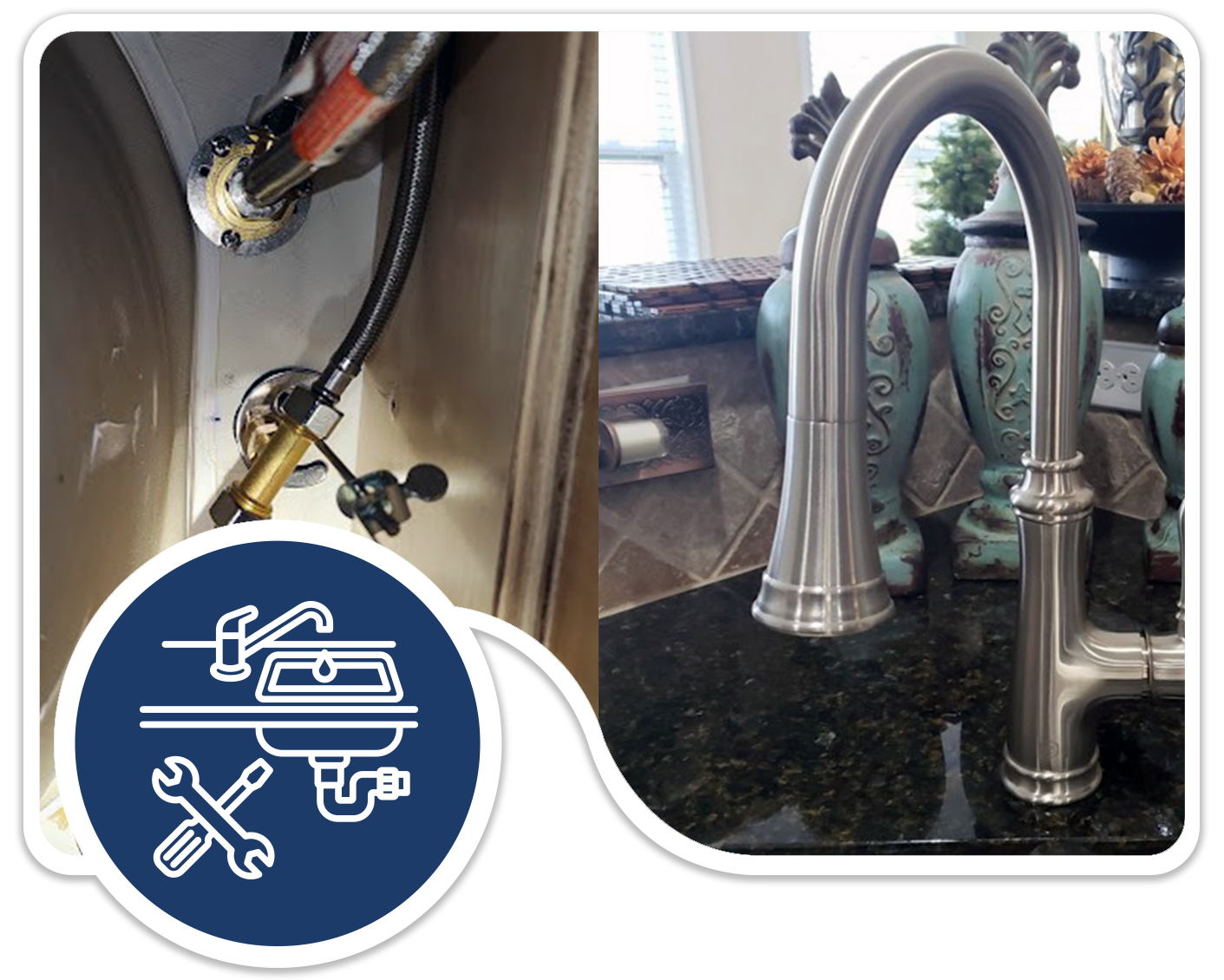
Drain Cleaning in Charlotte, NC
Slow drains and recurring clogs are usually symptoms. The important part is figuring out what is restricting the line and whether cleaning is actually the right solution.
Pathmaker Plumbing clears clogged drains and looks at why the blockage happened in the first place. Grease, hair, soap, food debris, mineral buildup, roots, and other obstructions can all restrict flow. If the pipe itself appears damaged, we explain that before recommending additional work.
Our goal is not just to get the water moving today. It is to help you understand what is happening and what actually needs to be done next.
What Is Your Drain Telling You?
The pattern of the problem often tells us whether you are dealing with a simple fixture clog or something deeper in the drainage system.
One Slow Drain
A single slow sink, tub, or shower may be caused by a localized buildup of hair, soap, grease, food debris, or another obstruction near that fixture. Gurgling sounds or unpleasant odors can also develop as the restriction worsens.
Multiple Slow Drains
When several fixtures begin draining poorly at the same time, or water begins backing up into another fixture, the restriction may be farther downstream in a branch drain or the home’s main sewer line.
Recurring Backups
If the same drain keeps clogging after it has already been cleared, or you are seeing standing water around floor drains or repeated toilet backups, we want to know why. Roots, damaged piping, corrosion, poor slope, or another underlying condition may be contributing to the problem.

Clearing The Clog Is Only Half The Job
A drain snake can open a restricted line. It cannot always tell you why the blockage happened.
If a drain has clogged once because of ordinary buildup, cleaning may be all that is needed. If the same drain keeps backing up, or several fixtures are affected, the larger drain or sewer system may deserve a closer look.
We focus on identifying the root cause before turning a drain problem into a larger repair project..
What Causes Drain Clogs?
Different materials and conditions can produce similar symptoms. Understanding what is inside the line helps determine whether cleaning alone is likely to solve the problem.
Grease & Food Buildup
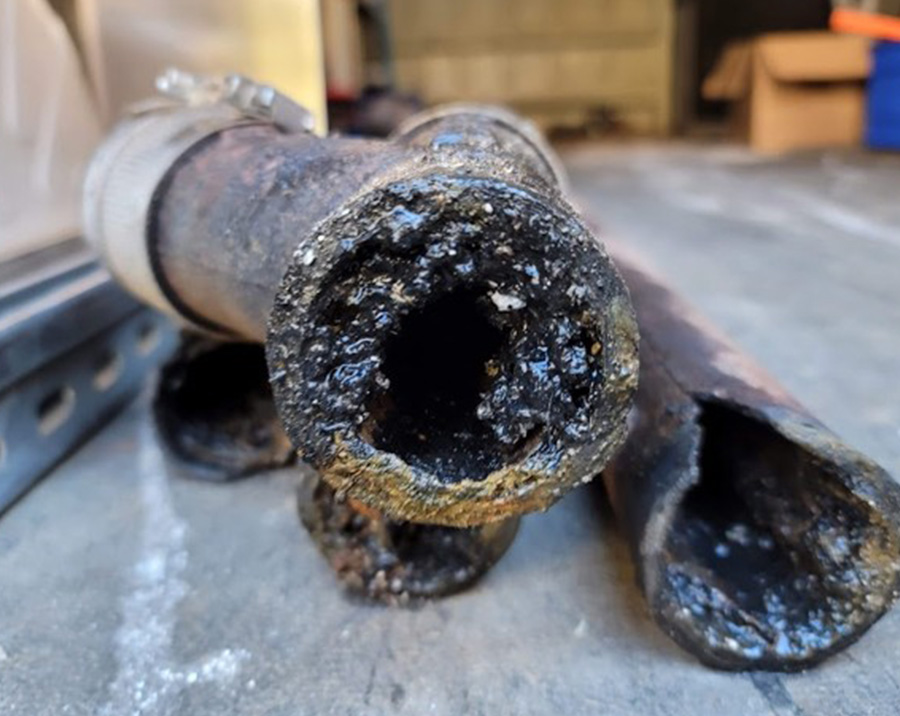
Kitchen drains commonly become restricted by grease, oils, food particles, and soap residue that accumulate inside the pipe and reduce flow.
Hair & Soap Scum
Bathroom drains often collect hair, soap residue, and personal care products that gradually narrow the drain opening and trap more debris.
Foreign Objects
Wipes, paper products, hygiene products, and other materials can create significant restrictions when they are flushed or washed into the plumbing system.
Tree Roots
Roots can enter sewer piping through cracks, failed joints, or other openings. Once inside, they can collect debris and restrict the line further.
Mineral Deposits & Aging Pipe
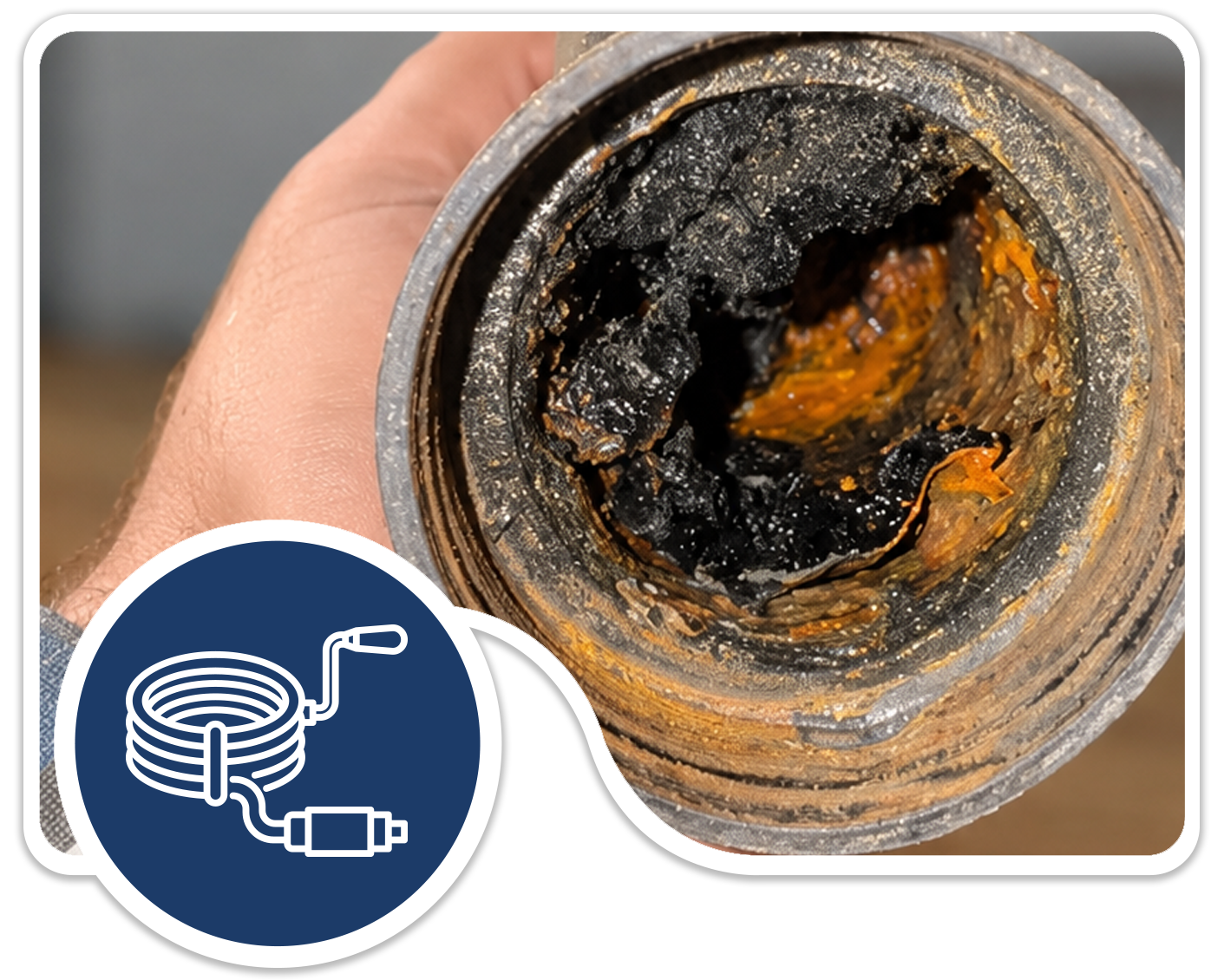
Mineral deposits, internal corrosion, and rough aging pipe surfaces can reduce the usable diameter of a drain and make recurring buildup more likely.
How We Diagnose And Clear Drain Problems
We choose the next step based on what the drain is doing, where the problem appears to be located, whether the issue has happened before, and what the condition of the surrounding plumbing suggests.
Depending on the problem, drain service may include:
- Professional drain snaking
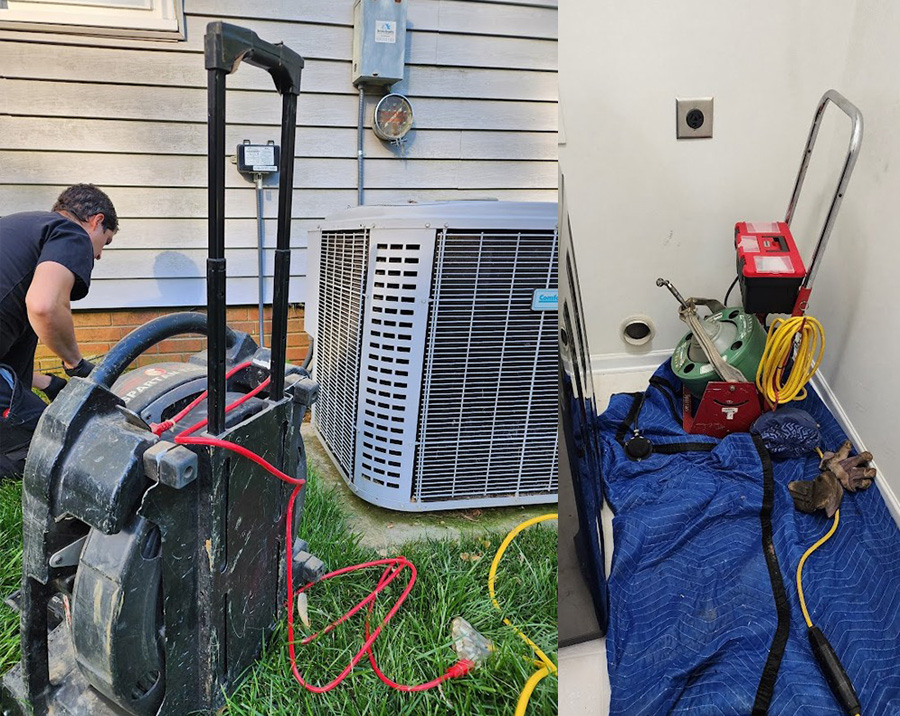
- Mechanical auger cleaning
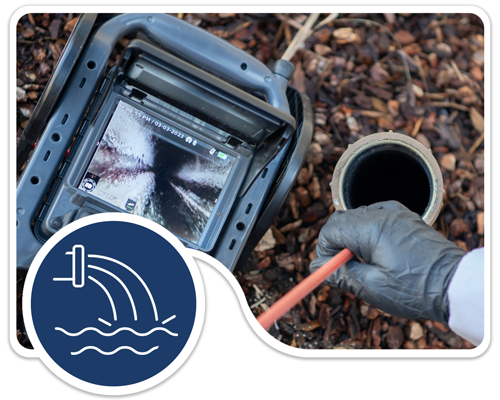
- Video camera drain or sewer inspection when appropriate
- Sewer line cleaning
- Removal of grease, roots, and debris
We do not assume every slow drain needs the same tool or the same level of work.
Drain Cleaning Or Drain Repair?
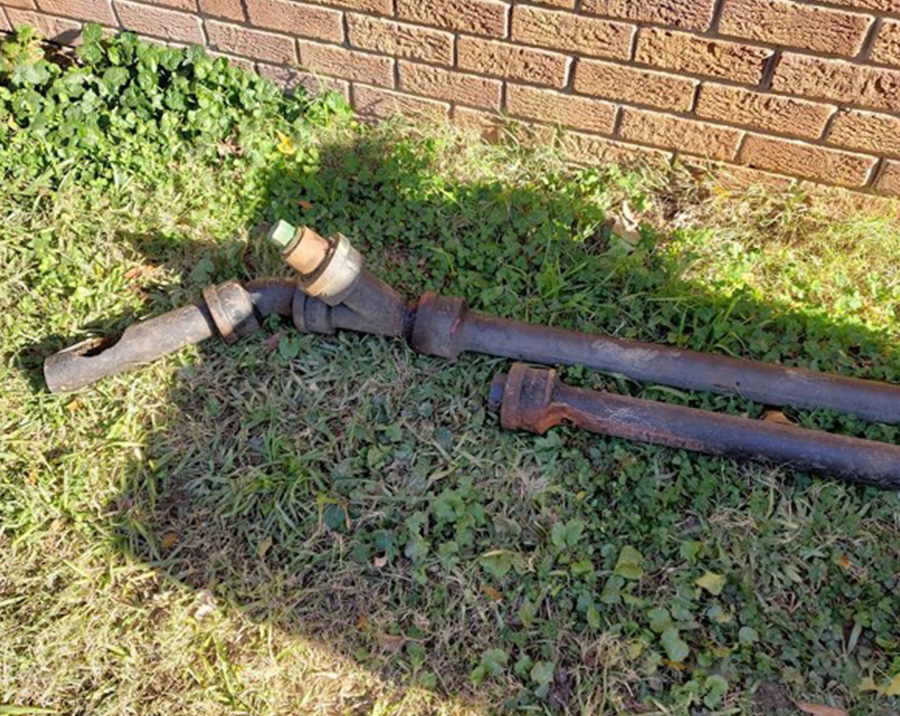
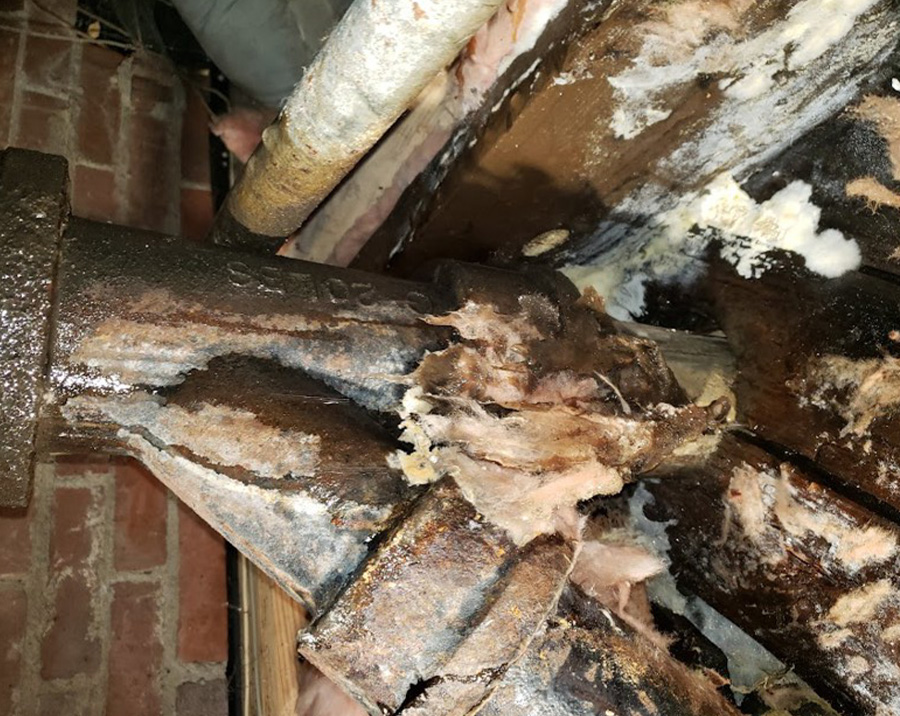
Cleaning and repair solve different problems. If something inside a sound pipe is restricting flow, cleaning may be exactly what is needed. If the pipe itself is damaged, clearing the blockage will not repair the underlying failure.
When Cleaning May Be Enough
- Grease, hair, soap, or ordinary debris buildup
- A localized fixture or branch-line blockage
- A first-time clog with no other warning signs
- A line that appears structurally sound after the blockage is cleared
If the pipe itself is damaged, repeatedly cleaning it may only reset the clock until the next problem. If the pipe is sound and the problem is buildup, a focused cleaning may be exactly what is needed.
Before You Replace A Sewer Line
Recurring backups do not automatically mean you need a completely new sewer line.
When several fixtures are affected, the same main-line blockage keeps returning, or roots and underground pipe damage are suspected, the home’s sewer line may deserve a closer look. When appropriate, a camera inspection can provide more information before repair or replacement is discussed.
We want to understand the condition of the main sewer line first, then explain whether cleaning, a focused repair, or broader replacement makes sense.
Why Charlotte Homeowners Call Pathmaker For Drain Problems
Diagnosis Before Recommendation
We look at the symptom, the history of the problem, and the condition of the surrounding system before recommending a larger repair.
Clear Options
If focused drain cleaning is reasonable, we explain it. If the condition of the pipe points to drain repair or a main sewer-line problem instead, we explain why and show you the appropriate next step.
No Pressure To Turn A Clog Into A Project
Not every clog is a damaged pipe, and not every recurring backup means sewer replacement. Our job is to identify what is restricting flow and explain when cleaning is enough.
More Than 25 Years Of Plumbing Experience
Experience matters when a home contains older drain materials, previous repairs, renovations, or recurring problems that require more than a quick assumption.

Drain Cleaning FAQs
Common questions about recurring clogs, drain cleaning, camera inspections, roots, cast iron, and when repair may be needed.